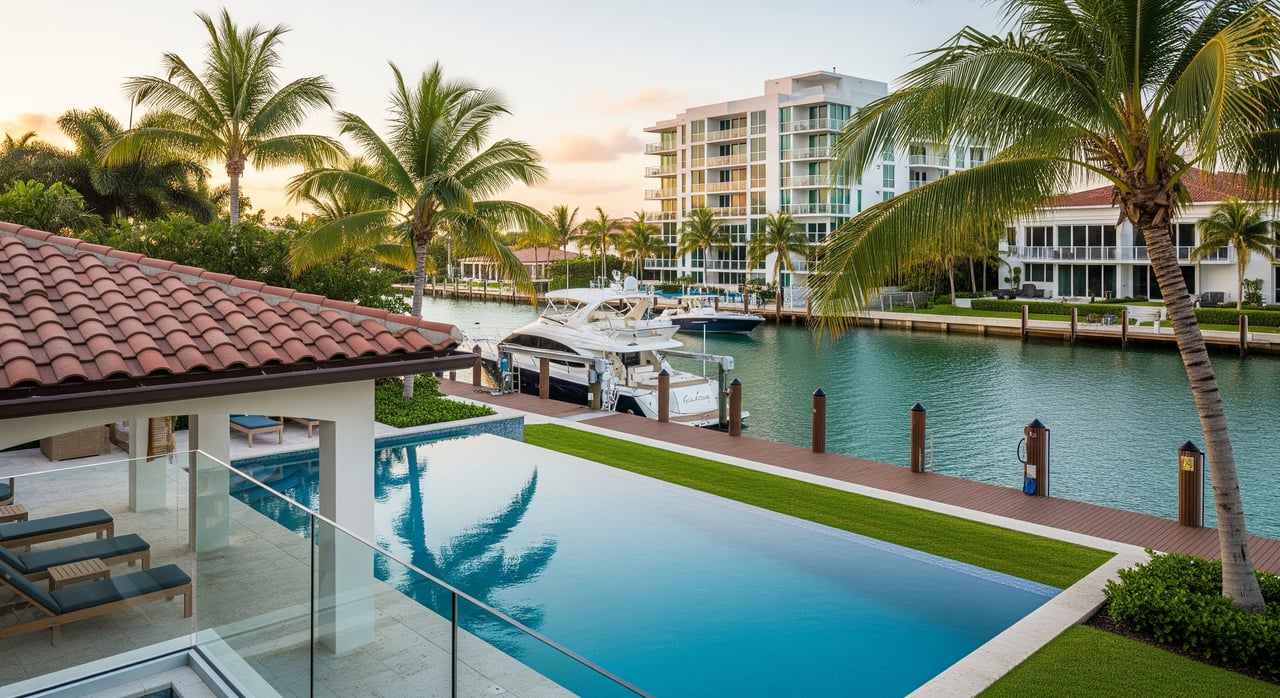
Picture your ideal day in The Moorings: morning beach walk, afternoon pool time, sunset dinner nearby. Now the big question is whether a condo or a villa fits that lifestyle best. Both options shine in this Naples neighborhood, but they differ in cost, rules, maintenance, and resale appeal.
In this guide, you’ll learn how condos and villas compare in The Moorings so you can choose with confidence. We’ll cover ownership and governance, fees and insurance, financing, lifestyle trade-offs, and due diligence. Let’s dive in.
The Moorings at a glance
The Moorings is a long-established Naples neighborhood known for beach access, mature landscaping, and an easy drive to downtown and Gulf beaches. You’ll find a mix of low- and mid-rise condominiums, waterfront buildings, townhome-style villas, and single-family homes. The area attracts retirees, second-home buyers, and year-round residents who value convenience and amenities.
Proximity to the beach is a major draw. In resale, units with gulf views or walkable access often see stronger demand. Building age and association health also matter, which is why comparing condos and villas carefully pays off.
Condo vs villa basics
Ownership and structure
- Condominiums: You own the interior of your unit and a shared interest in common elements. Exteriors, roofs, and common areas are typically maintained by the condo association under the Florida Condominium Act. Review building documents to confirm what is covered inside your unit.
- Villas: In Naples, “villa” often means a townhouse-style or small single-family home in a planned community. You usually own the lot and structure fee-simple, and an HOA maintains shared areas like roads, landscaping, and amenities.
Rules and governance
- Condos follow the Florida Condominium Act (Chapter 718), which sets rules for budgets, reserves, assessments, and records.
- Villas in HOA communities follow the Florida Homeowners’ Association Act (Chapter 720), which has different meeting, notice, and budget provisions.
The bottom line: the law that governs your community shapes owner responsibilities, fees, and rights.
Insurance responsibilities
- Condos: Associations carry a master policy for common elements and often the building structure. Unit owners carry an HO‑6 policy for interior finishes, personal property, and liability. Exact coverage splits depend on the condo documents and master policy.
- Villas: Owners carry a homeowner policy (often HO‑3) for the structure, while the HOA insures common areas. Some HOAs cover roofs or exterior items. Always confirm what the HOA covers and how deductibles work.
Costs and fees to expect
There is no one-size-fits-all number in The Moorings. Costs vary by building age, amenities, flood exposure, and location within the neighborhood.
- Purchase price: Condos often have a lower entry price than villas, though gulf views, waterfront, and unit size can flip that comparison.
- Property taxes: Taxes reflect appraised value, not ownership type. Use the Collier County Property Appraiser to review parcel and tax records before you bid.
- Monthly assessments: Condo fees can be higher when buildings have elevators, pools, on-site management, or extensive amenities. Assessments often cover exterior maintenance, common-area insurance, trash, landscaping, and sometimes water, cable, or internet. HOA fees for villas may be lower if owners handle more exterior maintenance, or higher if the HOA covers roofs and painting.
- Reserves and assessments: Older buildings may face larger capital projects. Healthy reserve funds reduce the likelihood of special assessments, but you should still check meeting minutes and budget history.
Tip: Compare the total monthly housing cost, not just list price. Include fees, insurance, taxes, and a realistic reserve for future projects.
Insurance and coastal risk
Florida’s wind and flood exposures influence premiums and deductibles. Coastal proximity can mean higher insurance tiers and percentage-based hurricane deductibles.
- Condos: Your HO‑6 covers interiors, but major events can trigger assessments if the association policy leaves gaps or if deductibles are large.
- Villas: Your homeowner policy covers the structure unless the HOA documents say otherwise. Confirm roof, exterior, and painting responsibilities, along with any cost-sharing rules.
- Flood zones: Check your property on the FEMA Flood Map Service Center and obtain flood quotes early. Citizens policies and market updates can be found at Citizens Property Insurance Corporation.
Insurance markets change over time. Get written quotes and clarify who pays what before finalizing your offer.
Financing differences
Financing can be more straightforward for fee-simple homes than for condos.
- Condos: Lenders often require project-level approval and documentation. Review standards in the Fannie Mae Selling Guide for condo projects. FHA and VA have their own approval processes, outlined by HUD’s condo resources.
- Villas: Typically qualify under standard conventional, FHA, or VA guidelines, subject to typical underwriting of the property and borrower.
If you need financing, condo project status can affect rates, down payments, and the buyer pool.
Lifestyle trade-offs
Maintenance and convenience
- Condo: Ideal if you want lock-and-leave living. The association handles exterior and common-area upkeep and often some utilities.
- Villa: You may have more responsibility for the exterior and yard, unless the HOA covers those items. You gain more control over the property’s look and feel.
Space and privacy
- Condo: Expect shared walls and less private outdoor space, though balconies and lanais are common.
- Villa: More private outdoor areas, driveways, or garages. Better if you value gardening, pets, or outdoor entertaining.
Amenities and social life
- Condo: Often includes pools, fitness rooms, and community spaces that encourage a social vibe.
- Villa: May have neighborhood amenities but typically fewer shared facilities than larger condo complexes.
Parking, storage, and beach access
- Condos: Close-to-beach buildings may offer easy walking access. Parking is usually assigned, and guest parking rules vary.
- Villas: Private driveways or garages are common, which can mean more storage and easier parking.
Rentals and rules
Short-term rental policies vary by association and by local ordinance. Check your community’s documents and the City of Naples for applicable rules before assuming anything.
Resale in The Moorings
- Buyer demand: Proximity to the beach, views, and convenience to Naples amenities drive interest.
- Building condition: Many Moorings condos are older. Buyers watch for roof and envelope work, elevator and parking condition, and seawall integrity on waterfront properties.
- Supply: There are generally more condo options at any given time than villas. Villas are fewer, which can affect pricing dynamics and availability.
- Association stability: Strong reserves, transparent budgets, and professional management help both buyer confidence and lender acceptance. Local snapshots are often summarized in Naples Area Board of REALTORS market reports.
Due diligence checklist
Use this list when comparing specific buildings and communities.
Documents to request
- Governing documents: Declaration, Articles, Bylaws, Rules and Regulations.
- Financials: Current budget, financial statements, reserve study and policy, master insurance, delinquency rates.
- Minutes: Board meeting minutes for the last 12 to 24 months.
- Litigation: Any pending or recent legal matters involving the association.
- Assessments: Recent or planned special assessments and project timelines.
- Rental rules: Association rental limits and local requirements from the City of Naples or county.
- Inspections: Any reserve studies or building condition reports.
- Flood and elevation: FEMA flood zone designation and elevation certificates.
Physical inspection priorities
- Condos: Roof, windows, balconies, pool, elevators, parking, common areas, and signs of water intrusion.
- Villas: Roof age, exterior condition, drainage, pests/termites, sewer connections, and irrigation.
- Waterfront: Seawall condition and any marine infrastructure.
Financing and insurance checks
- Lender acceptance: Confirm Fannie, Freddie, FHA, or VA eligibility for the condo project, if applicable.
- Insurance quotes: Obtain wind and flood quotes with hurricane deductibles clearly shown. Check how the association handles deductibles after storms.
Questions for the association
- Are there special assessments or major projects planned within 1 to 5 years?
- What percentage of units are owner-occupied vs rented?
- What is the delinquency rate for dues?
- Any current or recent insurance claims that impacted premiums or assessments?
- Are short-term rentals allowed, and what are the specific rules and processes?
Seller tips
- For condos: Organize association documents, insurance evidence, reserve studies, and recent project updates. Address common buyer questions in advance to reduce friction.
- For villas: Clarify exterior responsibilities per CC&Rs. Provide maintenance records and details on roof, paint cycles, and any upcoming HOA projects.
- For all: Consider a pre-listing inspection and an insurance summary to help buyers evaluate total monthly cost quickly.
How to choose your best fit
If you want maximum convenience and amenities with minimal exterior responsibilities, a condo may suit you. If you want more privacy, parking, and outdoor space with a house-like feel, a villa could be the better match. In both cases, compare total monthly costs, insurance, reserves, and rental rules before you decide.
When you are ready to explore properties in The Moorings, we can help you navigate the details and negotiate with clarity.
Start a conversation with the Kaleena Figaro Group to compare specific buildings and villa communities, line up insurance and lending, and tour homes that match your lifestyle.
FAQs
What is the key difference between a Moorings condo and villa?
- Condos give you ownership of the unit interior plus shared common elements, while villas are typically fee-simple homes within an HOA, giving you ownership of both land and structure.
Which option usually has lower maintenance in The Moorings?
- Condos often have lower day-to-day upkeep because associations handle exteriors and common areas; some villa HOAs also cover exteriors, so confirm responsibilities in the documents.
How do insurance costs compare for condos and villas near the coast?
- Waterfront exposure can raise wind and flood costs; condos rely on a master policy plus your HO‑6, while villas use a homeowner policy. Get quotes early for your exact location and coverage.
Will financing be easier for a villa than a condo in Moorings?
- Often yes, because fee-simple homes avoid condo project approvals. Condos may require lender project approval and can face extra underwriting steps.
Can I rent my Moorings property short term?
- It depends on your association and local rules. Always review your community’s rental policies and check the City of Naples for applicable regulations before planning rentals.