If you are torn between a tower with sweeping Gulf views and a smaller condo building with a quieter feel, you are asking the right question in Park Shore. This neighborhood gives you both options, and each can support a very different daily lifestyle. When you understand how building height affects views, amenities, maintenance, and ownership costs, your decision gets much clearer. Let’s dive in.
Why Park Shore Offers Both Lifestyles
Park Shore is a waterfront Naples neighborhood west of US 41 that developed into a mix of luxury homes and condominiums. According to the Park Shore Association, the neighborhood includes 25 high-rise condominium buildings, many mid-rise buildings, and more than 600 single-family homes.
That variety is a big reason Park Shore appeals to so many buyers. Some buildings along Gulf Shore Boulevard deliver the classic high-rise experience, while other parts of the neighborhood feel more residential and mid-rise in scale. If you are comparing options here, you are not just choosing a home. You are choosing how you want to live day to day.
Park Shore also has a marina-oriented lifestyle, and that matters when you weigh your options. Beach access, boating access, building amenities, and neighborhood privileges can all be part of the same decision.
What High-Rise Living Feels Like
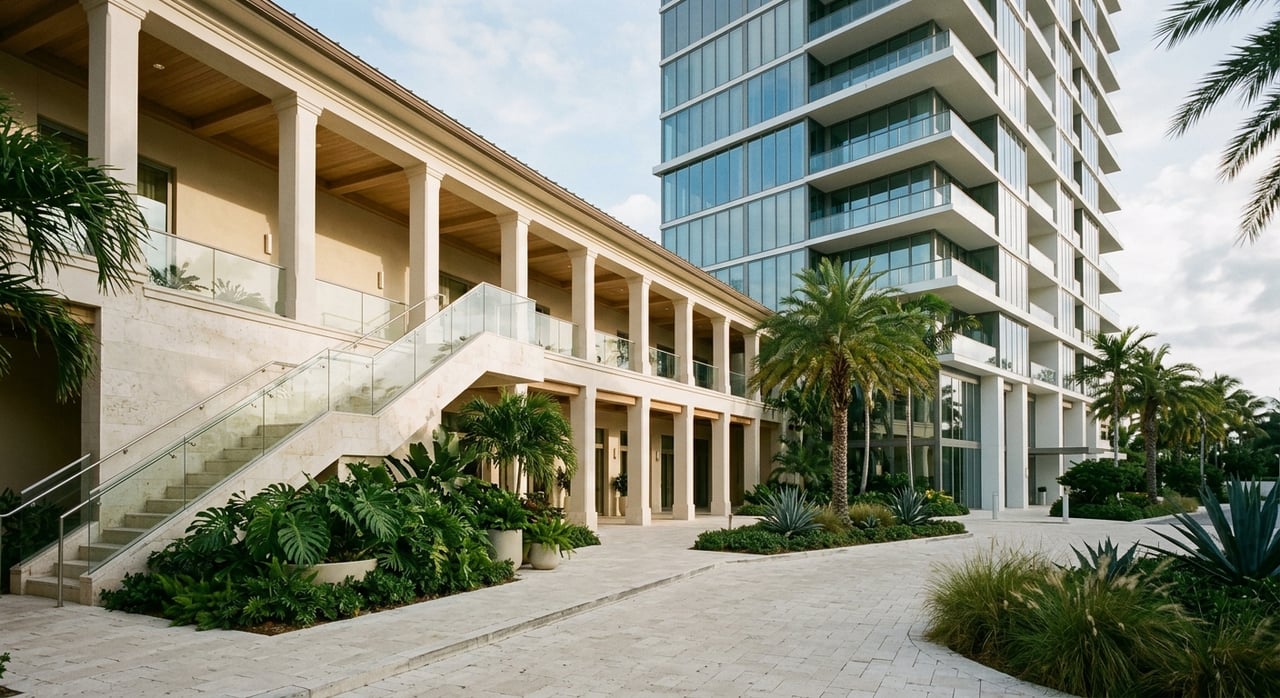
For many buyers, the biggest draw of a high-rise in Park Shore is the view. In a representative building like Park Plaza, the tower rises 20 stories and offers panoramic Gulf views, private beach access, and a more resort-style setting.
That kind of vertical living often creates a very specific experience. You may have a higher vantage point, more dramatic sunsets, and a stronger sense of separation from street-level activity. If your goal is a lock-and-leave coastal condo with a polished building atmosphere, high-rise living often checks that box.
High-rises can also deliver a deeper amenity package. Park Plaza lists features such as a staffed gate and front desk, guest suites, a social room, fitness room, tennis and pickleball, a movie theater, billiard room, rooftop lounge, elevator access, and covered parking.
For some buyers, that convenience is worth the trade. You may be able to entertain guests, enjoy on-site services, and rely less on off-site memberships or separate facilities. The building can feel closer to a full-service lifestyle.
Best fit for high-rise buyers
High-rise living may feel like the better match if you value:
- Wide Gulf or skyline views
- A full-service building environment
- More shared amenities under one roof
- Private beach access in certain buildings
- A turnkey, resort-like ownership experience
What Low-Rise Living Feels Like
Low-rise living in Park Shore often appeals to buyers who want a more intimate scale. Park Shore Landings is one example, with four 4-story buildings, 72 total units, covered parking, a pool, hot tub, party room, 36 boat slips, a boardwalk along Venetian Bay, a fishing platform, and access to the Park Shore Association beach park.
Instead of emphasizing height, low-rise communities often emphasize ease and water adjacency. You may still enjoy beautiful views, but the atmosphere can feel calmer and less vertical. For some buyers, that creates a stronger sense of privacy and simplicity.
Daily life can also feel more manageable in a smaller building. There are fewer floors, often less elevator dependence, and sometimes a more neighborly rhythm. If you want Park Shore waterfront living without the scale of a tower, low-rise may be the more natural fit.
That said, smaller does not mean maintenance-free. Park Shore Landings’ rules include quiet hours, assigned parking, occupancy and leasing limits, water shutoff and humidity control when a unit is vacant, twice-yearly AC inspections, and leak-prevention practices.
Best fit for low-rise buyers
Low-rise living may feel like the better match if you value:
- A smaller-scale building environment
- Bayfront or marina-oriented features
- Less tower presence
- A quieter daily pace
- Shared amenities without a full high-rise structure
Views, Amenities, and Daily Routine
When buyers compare high-rise and low-rise living, they often start with views. That makes sense, but views are only one part of the decision. Your daily routine may matter even more once you own the property.
In a high-rise, you may rely more heavily on elevators, front desk support, staffed entry, and larger common areas. In a low-rise, your experience may feel more direct and less layered, with quicker access in and out of the building and fewer shared systems.
Amenities can also differ in surprising ways. A high-rise may offer more indoor social and wellness spaces, while a low-rise may offer boating features, a boardwalk, or a more relaxed outdoor setting. In Park Shore, it is smart to compare the actual building rather than assume one category always offers more value.
Maintenance Matters in Both Options
One of the biggest mistakes buyers make is assuming low-rise means lower risk or easier ownership. In coastal Florida, both high-rise and low-rise buildings require close attention to maintenance, inspections, and reserves.
Florida law places common-element maintenance on the association. Residential condominium buildings that are three stories or higher must also undergo a structural integrity reserve study at least every 10 years, and milestone inspections are required once a building reaches the statutory age threshold.
That means your due diligence should go well beyond the floor plan and finishes. You want to understand how the association plans for repairs, how well reserves are funded, and whether major projects are on the horizon.
For high-rises, buyers should expect more moving parts. A larger tower can include more common-area systems, more vertical circulation, and greater dependence on the association’s maintenance and reserve planning.
For low-rises, the maintenance picture is still serious. Park Shore Landings’ 2024 milestone report noted near-future repair items such as spalling concrete and stucco, failing window and slider sealants, and deck waterproofing and delamination, even though the building did not show substantial structural deterioration.
What to Review Before You Buy
If you are serious about buying in Park Shore, it helps to compare buildings with the same care you would use to compare homes. The label of high-rise or low-rise tells you only part of the story.
Florida requires reserve planning for items such as the roof, structure, fire systems, plumbing, electrical, waterproofing and exterior paint, windows, and exterior doors. The state also requires inspection reports and reserve studies to be part of the association’s official records and available to potential purchasers.
Here are some of the most important things to review:
- Monthly condo fees and what they cover
- Current reserve funding levels
- Recent milestone inspection results
- Structural integrity reserve study findings
- Pending or likely special assessments
- Elevator history and service records in taller buildings
- Condition of windows, balconies, waterproofing, and exterior surfaces
- Rules related to leasing, occupancy, parking, and vacant-unit care
- Whether beach park access is included, separate, or voluntary through the Park Shore Association
Questions to Ask During a Tour
A good showing is not just about seeing the unit. It is your chance to test how the building fits your lifestyle and how well the community is being managed.
Ask practical questions that connect to your actual ownership experience. The answers can quickly reveal whether a property is aligned with your priorities.
Smart tour questions
- How many units share each floor?
- During peak season, how long are elevator waits?
- What exactly does the monthly fee cover?
- Is beach access included through the condo, or is it separate?
- Has the building completed a recent milestone inspection and structural reserve study?
- Are any assessments pending or being discussed?
- What building systems have been updated recently?
- What rules apply when the unit is vacant for part of the year?
Which Option Is Better in Park Shore?
The better choice depends on what you want your Naples lifestyle to feel like. If you picture wide Gulf views, a stronger amenity package, and a polished building environment, high-rise living may be the right fit.
If you want a smaller-scale setting, easier day-to-day flow, and a more intimate connection to bayfront or boating amenities, low-rise living may feel better. Neither option is automatically simpler or more economical over time.
In Park Shore, the smartest move is to compare specific buildings side by side. A tower like Park Plaza may win on views and services, while a community like Park Shore Landings may stand out for quieter scale and bay-side features. The right choice is the one that matches both your lifestyle and your comfort with the building’s maintenance profile.
If you are weighing high-rise versus low-rise living in Park Shore, local building-by-building guidance can save you time and help you ask better questions before you commit. The Kaleena Figaro Group can help you compare Park Shore condo options with the level of detail this market deserves.
FAQs
What is the main difference between high-rise and low-rise living in Park Shore?
- In Park Shore, high-rises typically offer broader views and more extensive shared amenities, while low-rises often provide a smaller-scale atmosphere, fewer floors, and a quieter day-to-day feel.
Do low-rise condos in Park Shore have fewer maintenance concerns?
- Not necessarily. Low-rise buildings in coastal Florida can still face meaningful upkeep needs related to concrete, waterproofing, windows, balconies, and exterior surfaces.
What should condo fees cover in a Park Shore building?
- Coverage varies by building, so you should ask whether fees include items such as staffing, beach access, insurance, reserves, docks, storage, pool maintenance, or other services and amenities.
Do all Park Shore condos include beach park access?
- No. Park Shore Association membership is voluntary, and beach-park access can vary by building, so you should confirm whether access is included or separate.
What records should buyers request for a Park Shore condo?
- Buyers should review association records such as milestone inspection reports, structural integrity reserve studies, reserve funding information, and any details about current or pending assessments.