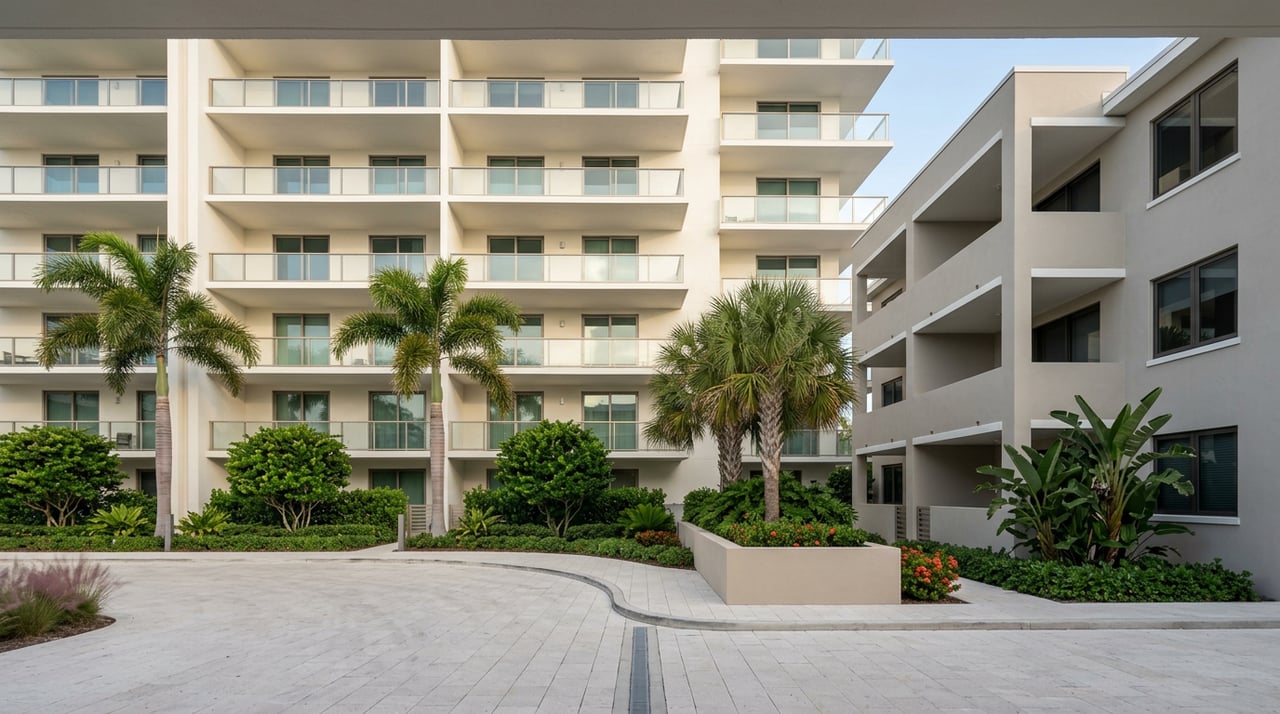
You can fall in love with Pelican Bay in one afternoon, but choosing the right property type takes a bit more thought. Do you want Gulf views and a concierge, a garage for bikes and beach gear, or a private pool and yard? The right choice balances lifestyle, maintenance, access to the beach, and community rules. In this guide, you’ll learn how high‑rise condos, low‑rise and coach homes, and single‑family or villa options compare so you can pick what fits your daily routine. Let’s dive in.
Pelican Bay at a glance
Pelican Bay is a master‑planned beachfront community in north Naples with nearly three miles of private beaches, an electric tram system, and a robust shared amenity program for members. The Pelican Bay Foundation operates communitywide amenities, including the beach pavilions, tram service, restaurants, community and fitness centers. You can review the Foundation’s membership structure and resources on the Foundation’s Realtor page at Pelican Bay Foundation.
Ownership here includes several layers of governance and cost. Your neighborhood or building association sets dues and rules for things like pets, rentals, parking, and maintenance. The Pelican Bay Services Division is a Collier County municipal services unit that funds streetscapes, stormwater, and beach support through a non‑ad valorem assessment on your tax bill. You can review PBSD details on the Collier County PBSD page.
If you are budgeting for closing, factor in building or association dues, the Pelican Bay Foundation annual assessment, any Foundation transfer or resale capital assessment at closing, and the PBSD assessment. For a policy overview and items to verify in due diligence, see this practical closing‑cost guide.
Property types and who they suit
High‑rise condominiums
High‑rise towers line the Gulf side of Pelican Bay, including ultra‑luxury options inside Bay Colony such as Remington and Windsor. These buildings offer staffed lobbies, on‑site management, fitness and social rooms, and quick access to the boardwalks and beach services. Explore the Bay Colony community context on the Bay Colony site.
Who they fit: You want panoramic views, immediate beach proximity, and low day‑to‑day exterior maintenance. You are comfortable trading higher recurring dues for full‑service living and amenities. You also prefer single‑level living with elevator access and a lock‑and‑leave setup.
What to weigh: High‑rise dues are often the largest recurring cost because they fund building insurance, elevators, reserves, and shared spaces. Views can be very floor‑dependent, so confirm the elevation needed for the outlook you want. If mobility matters, ask about elevator redundancy and emergency access policies. Leasing rules in Gulf‑front towers can be more restrictive, which may affect rental flexibility and resale.
Low‑rise condos and coach homes
Low‑rise buildings and coach homes are typically one to three stories with fewer neighbors per building. Many offer private garages or larger storage areas than towers, and some communities include neighborhood pools and clubhouses.
Who they fit: You want a lower‑maintenance lifestyle without the height and fee profile of a full‑service tower. You value a garage, extra storage, or a bit more interior space, and you are fine with a short walk or tram ride to the beach.
What to weigh: Many low‑rise buildings do not have elevators, so confirm stair access if mobility is a concern. Dues vary widely by community and usually cover grounds, exterior painting, and pool care. Always verify reserves and any recent or planned special assessments.
Attached villas and detached single‑family homes
Villas and single‑family homes deliver the most privacy and personal outdoor space. You will find options across Pelican Bay, including guard‑gated enclaves within Bay Colony. Villa products vary from modest footprints to larger layouts with private pools. You can browse a representative villa community overview at Villa La Prima.
Who they fit: You want a yard, private pool, and garage, plus greater separation from neighbors. You may plan to live here full time or for longer seasonal stays and value control over your property.
What to weigh: Expect more owner responsibility for roof, pool, and landscaping unless the sub‑association provides exterior maintenance. Taxes and insurance can be higher than condo formats. Location within Pelican Bay or Bay Colony influences whether you walk or take the tram to the beach.
Lifestyle tradeoffs to consider
Maintenance and lock‑and‑leave ease
- High‑rise condos: Best for true lock‑and‑leave living. Exterior, elevators, landscaping, and common areas are handled by the association. In return, dues are typically higher than other options.
- Low‑rise and coach homes: Moderate maintenance. Many include private garages and neighborhood pools. Check what the association covers, including roof reserves and exterior pest control.
- Villas and single‑family: Highest owner responsibility unless the community includes exterior services. Best for buyers who want private outdoor space and do not mind managing vendors.
Pro tip: Ask for a written list of what your dues include. The Building or HOA estoppel will outline fees, inclusions, and any pending special assessments. For Foundation transfer policies and examples of fee layers, review this due diligence guide.
Beach access and the tram system
Pelican Bay’s signature is its private beaches and the open‑air tram network that connects neighborhoods to the North and South Beach pavilions. The trams run to multiple stations and reduce the need to drive. You can see how the routes and operations work on the Pelican Bay tram service page.
- Gulffront towers: Shortest walk to the boardwalks or stations, which delivers the most effortless beach routine.
- Low‑rise and villas: Usually a short walk or quick tram ride. Still very convenient for daily beach time.
- Inland single‑family pockets: You may take a tram or drive to a station, then board. Timing is still predictable but not as immediate as a beachfront tower.
For an overview of member beach services and dining pavilions, see the Foundation’s page for Pelican Bay beaches.
Amenities, social life, and programming
The Pelican Bay Foundation operates the fitness center, racquets programs, and community events. Some neighborhoods add their own clubhouse programming. If you play tennis or pickleball often, check how close the courts are to the home or building you are considering. The Foundation’s Realtor resources provide a clear overview of community amenities and membership context.
Parking, storage, and everyday logistics
- Towers often provide under‑building or covered parking with assigned spaces. Storage rooms can be limited compared with a house, so confirm where you will keep beach gear and bikes.
- Low‑rise and villa formats are more likely to offer private garages and in‑unit storage options. If you want to keep multiple bikes, golf gear, or seasonal décor on site, ask about dedicated storage.
Rentals, rules, and flexibility
Leasing policies vary by association. Many towers limit the number of leases per year and set longer minimum terms. Low‑rise communities and villas can range from flexible to seasonal only. Because rules affect both personal flexibility and resale, always request the current leasing policy, guest card procedures for Foundation amenities, and any blackout months.
Structural inspections and reserves for condos
Florida requires milestone structural inspections and related reserve studies for buildings three or more stories high. Inspections start at the statutory milestone and repeat every 10 years. Associations cannot waive some structural reserves. Ask for the milestone inspection status, any Phase 2 findings, and the Structural Integrity Reserve Study. For a clear overview of the law and timelines, review this Florida milestone inspection guide.
Flood, wind, and insurance exposure
Coastal properties often sit in FEMA AE or VE flood zones, which can influence lender requirements and premiums. Before you offer, check the parcel on FEMA’s Map Service Center, request any available elevation certificate, and get preliminary insurance quotes. You can search your address on the FEMA Map Service Center.
What to review before you buy
Create a due diligence folder for each property on your short list and gather these items early.
Documents to request:
- Association or condo estoppel for the building and the Foundation. This will itemize current dues, any arrears, lease and pet limits, and pending assessments. You can see a policy overview and checklist in this closing‑costs explainer.
- Association bylaws, rules and regulations, meeting minutes for the last 12 months, and the latest reserve study. The Pelican Bay Foundation’s Realtor page is a good starting point for community context.
- Milestone inspection reports and the Structural Integrity Reserve Study for any building three stories or higher. Reference the Florida milestone guide for what to look for.
- Master insurance declarations for the association and deductible levels. Confirm what your personal policy must cover.
- PBSD assessment as it appears on the property tax bill. Review the PBSD overview for services funded.
- FEMA flood map panel and any elevation certificate. Start your check at the FEMA Map Service Center.
Key questions to ask:
- What is the current reserve balance and any planned special assessments over the next 12 to 36 months?
- What exactly is included in the condo or HOA fee, such as water, cable, building insurance, elevator maintenance, pest control, roof replacement, or exterior painting?
- What are the current leasing rules, minimum terms, number of leases per year, and amenity access steps for tenants and guests?
- Where is the nearest tram station and how long is the walk to the boardwalk or beach pavilion from this address? Are tram schedules seasonal?
Match your lifestyle to the right property
- Choose a high‑rise condo if you want the most effortless beach routine, full‑service living, and panoramic views. This is ideal for seasonal use or a lock‑and‑leave lifestyle where you value convenience over maximum storage.
- Choose a low‑rise or coach home if you prefer a garage, a neighborhood feel, and a balanced fee profile, and you do not need an elevator. You will trade a few extra minutes to the beach for more everyday practicality.
- Choose a villa or single‑family home if privacy, a yard, and a private pool rank highest. You will manage more maintenance, but you gain space and control.
How we help you decide
Every block inside Pelican Bay lives a little differently. Our role is to make those differences clear and actionable. We compare fee layers side by side, map tram access and beach timing, review building inspection status, and confirm leasing rules that impact flexibility and resale. If you are buying from out of state, we preview options, capture honest video walk‑throughs, and coordinate vendor quotes so you can move with confidence.
When you are ready, explore the neighborhood with a specialist who knows the buildings, the enclaves, and the tradeoffs that matter. Start a conversation with the Kaleena Figaro Group and we will help you find the right fit.
FAQs
Do Pelican Bay owners automatically get beach access?
- Yes. Ownership includes Pelican Bay Foundation membership with access to private beaches, the tram system, restaurants, and community amenities. Review membership context on the Foundation’s site.
What extra fees should I expect beyond the HOA?
- Budget for your building or neighborhood dues, the Pelican Bay Foundation annual assessment and any transfer or resale capital assessment, plus the PBSD non‑ad valorem assessment on your Collier County tax bill. See the PBSD overview.
How fast can I get to the beach from different property types?
- Gulffront towers are the quickest with short walks to boardwalks or tram stations. Low‑rise and villa locations are usually a brief walk or tram ride, and inland single‑family pockets may require a quick drive to a tram station. See the tram service details.
Should I be concerned about condo building inspections in Florida?
- Yes. Buildings three or more stories must complete milestone structural inspections and maintain reserves that cannot be waived. Ask for the latest inspection results and the Structural Integrity Reserve Study. Learn more in this milestone inspection guide.
How do I check flood risk for a Pelican Bay address?
- Search the property on the FEMA Map Service Center, request any existing elevation certificate, and get preliminary insurance quotes early in your process.
Which property type is best for a lock‑and‑leave second home?
- Full‑service high‑rise condos and villa communities that include exterior maintenance are usually best. Confirm in writing what the association covers and any restrictions that could affect your plans.