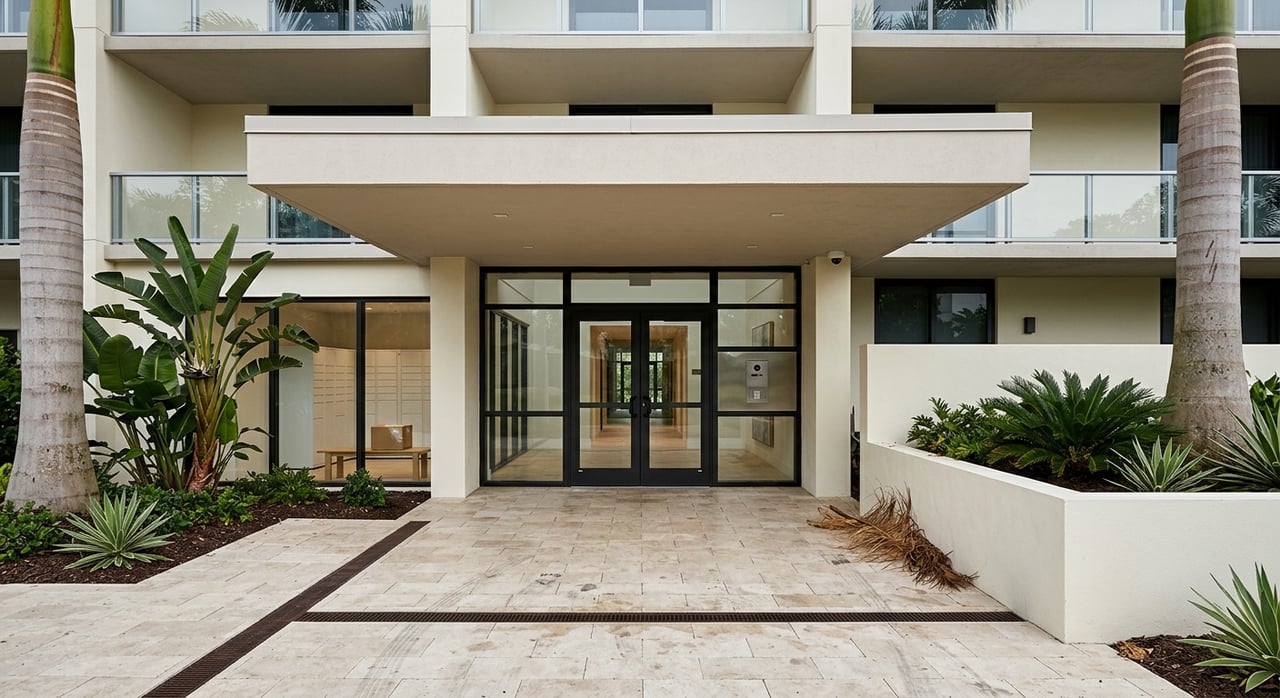
Craving the ease of a Naples getaway without the constant upkeep? If you love the idea of arriving to a ready-to-enjoy condo and locking up with confidence when you leave, Park Shore may be a perfect fit. Many buildings are designed for effortless ownership with professional management, private beach access, and services that make seasonal living simple. In this guide, you’ll learn what to verify before you buy, how local rules work, and which building features matter most for true lock-and-leave peace of mind. Let’s dive in.
Why Park Shore suits lock-and-leave living
Park Shore is a planned waterfront neighborhood in Naples with beachfront high-rises, bayfront homes, and low-rise residences. Residents enjoy a private beach park maintained by the neighborhood association, a major draw for seasonal owners who value convenience and access. You can review what the association maintains on the Park Shore Association site.
Many properties here are high-rise condos with on-site or association management. Shared maintenance, landscaping, pools, and lobbies reduce your to-do list so you can focus on your time in Naples. Because Park Shore sits close to central shopping and dining, and within easy driving distance of Southwest Florida International Airport, it supports quick, low-stress trips.
If you are comparing addresses, note that some parcels fall within City of Naples limits. City utilities and rules can apply based on parcel location, so it is smart to confirm municipal status using the city’s annexation records map.
Know the associations and condo laws
Florida condominium law outlines how associations must operate, including budgets, maintenance, reserves, and insurance for common elements. Before you buy, read the declaration and the association’s insurance policy so you understand which items are owner responsibilities versus association coverage. The state’s condo law is summarized in Florida Statutes Chapter 718.
After the Surfside tragedy, Florida adopted SB 4-D. Many buildings that are three stories or higher must complete milestone inspections and maintain structural reserves that cannot be waived. For Park Shore’s high-rises, verify that your building has completed required inspections and has a recent structural integrity reserve study on file. You can review the statute text for SB 4-D requirements.
Rental rules for seasonal owners
If you plan to rent when you are away, review city and building rules first. The City of Naples generally requires condo rentals to be 30 days or longer, with a limited exception that allows fewer than 30 days on three occasions per year. Check the city’s current short-term rental guidance and your building’s declaration, since many condos add stricter limits.
If a property is outside city limits, Collier County requires short-term vacation rental registration and a responsible party who can be reachable 24/7 and respond locally. That onsite response requirement is important if you live out of state. Review the county’s vacation rental registration details.
Flood and hurricane readiness
Park Shore includes beachfront and bayfront properties, so many parcels are in FEMA flood zones like AE or V/VE. Flood zone and elevation drive insurance costs and rebuilding requirements. Always pull the FEMA flood map panel for your parcel and request any elevation certificate on record. As a reference point, local property records often note AE or VE zones for this area, as seen in this sample property package.
Hurricane season runs June 1 through November 30, with peak activity from August to October. Have a written plan for shutters or impact protection, insurance contact info, and a trusted local manager authorized to act on your behalf. For season timing and preparedness context, see the National Hurricane Center’s seasonal overview.
Building features to prioritize
On-site management and 24/7 coverage
For absentee owners, a responsive local contact is essential. Ask if the building has on-site management, a 24/7 emergency line, or a management company with after-hours coverage. If you plan to rent, confirm who serves as the registered responsible party and how they respond to issues while you are away.
Request these items:
- Management contract and scope of services
- Emergency response procedures and after-hours contact list
Security and access control
Look for controlled entry, key-card or fobbed lobbies, visitor logs or concierge, secure package handling, and well-lit common areas with monitored cameras. These features reduce risk and make departures and arrivals easier.
Request these items:
- Rules for keys and access control
- Package acceptance and storage policies
- Security staffing levels or vendor contract summary
Resilience, reserves and major repairs
Confirm whether windows and doors are impact rated or if hurricane panels are used, and who deploys them. Ask about backup power and which systems a generator supports, such as elevators, pumps, and common area A/C. Review recent and upcoming capital projects.
Florida’s SB 4-D raised the bar for structural reserves and inspections. Ask for the structural integrity reserve study, current reserve balances, and any special assessment history. You want to see healthy planning for long-term building needs. See the statutory framework in SB 4-D.
Request these items:
- Structural integrity reserve study and current reserve balances
- Three years of financials and board minutes referencing major repairs or assessments
Insurance and claims history
Obtain the association’s master policy declarations, including deductibles and exclusions, plus a recent claims summary. Clarify whether flood insurance is carried by the association or required at the unit level and whether the building’s flood zone affects pricing. For allocation of repair responsibilities, review your condo’s governing documents alongside Florida Statutes Chapter 718.
Request these items:
- Master policy declarations and flood coverage details
- Recent insurance claims and payout summaries
Vendor network and seasonal services
Well-run associations maintain vetted vendors that simplify seasonal ownership. Ask about interior check-ins, HVAC maintenance with humidity controls, pest control schedules, plumbing checks, and emergency restoration contacts. A strong vendor list keeps small issues from becoming big problems while you are away.
Request these items:
- Preferred vendor list, including restoration and roofing
- Service schedules that apply to your building or tier
Travel, utilities and logistics
Most seasonal owners fly into Southwest Florida International Airport in Fort Myers. The drive to Naples is typically 30 to 45 minutes depending on traffic. For flight options and ground transport, check RSW airport information. Naples Municipal Airport is closer and convenient for private aviation.
If your parcel is inside city limits, the City of Naples provides water, sewer, and solid waste. Electricity in most of the area is provided by FPL. Confirm service providers and any special district assessments before you buy. See the city’s utilities overview.
Lock-and-leave buyer checklist
Use this quick checklist to streamline your due diligence and seasonal setup.
Before contract and during due diligence
- Confirm municipality and parcel jurisdiction using city annexation records. This affects utilities and rules. Review the City of Naples annexation document.
- Read the condo declaration, bylaws, and rules. Focus on rental limits, hurricane shutter guidelines, and access policies. Reference Florida Statutes Chapter 718 for association responsibilities.
- Obtain the association’s master insurance policy declarations and recent claims summary.
- Review the structural integrity reserve study and reserve balances. Confirm any pending or recent special assessments. Requirements are outlined in SB 4-D.
- Read 12 to 24 months of board and membership minutes to spot maintenance, assessment, litigation, or management issues.
- Pull FEMA FIRM panel and request any elevation certificate on record to gauge flood risk and likely insurance costs. See example context in this sample property package.
- If you plan to rent: verify City of Naples minimum stays and your building’s rental policy, and check Collier County registration if outside city limits. Review Naples rental rules and Collier County registration.
After purchase and before you leave for the season
- Designate a local emergency contact and give written authorization for them to act on your behalf.
- Install monitored leak sensors and a smart thermostat if allowed. Set humidity controls to deter mold.
- Arrange a mail and package plan with the concierge, a hold-mail request, or a local agent pickup.
- Store important documents securely offsite and maintain digital access to policies and association contacts. Record serial numbers for valuables.
Make your Park Shore plan
Seasonal living should feel effortless. When you focus on the right building features, verify the key documents, and set up reliable local support, lock-and-leave ownership in Park Shore can be as simple as turning the key. If you’d like a trusted guide to walk you through due diligence, introductions to vetted vendors, and a tailored shortlist of buildings that fit your goals, we are here to help. Start a conversation with the Kaleena Figaro Group to map your next steps in Park Shore.
FAQs
What short-term rental rules apply to Park Shore condos in Naples?
- In the City of Naples, most condo rentals must be 30 days or longer, with a limited allowance for fewer than 30 days on three occasions per year. Your condo’s declaration may be stricter, so verify both the city code and building rules.
Who pays for storm-related repairs in a condo building?
- Repair obligations depend on the association’s insurance, your unit policy, and the condo documents, with general guidance provided in Florida condo law; always review the master policy and your declaration to see how deductibles and reconstruction are allocated.
How do Florida’s SB 4-D rules affect my building?
- Many buildings three stories or higher must complete milestone inspections and maintain structural reserves; review the building’s structural integrity reserve study, budget, and any assessment history before you commit.
How can I verify flood risk and likely insurance costs in Park Shore?
- Request the FEMA flood map panel for the parcel and any elevation certificate on record, then obtain quotes from insurers; beachfront and lower-elevation parcels often see higher premiums.