Picture this: coffee in hand, a light breeze off Naples Bay, and your boat ready for a quick run through Gordon Pass to the Gulf. If you are considering a Port Royal address, the right dock, seawall, and boating setup make that lifestyle effortless. In this guide, you’ll learn how lot type affects your options, what to inspect on docks and seawalls, how Gulf access works, and which permits and protections apply. Let’s dive in.
Port Royal waterfront types
Gulf-front realities
Gulf-front properties face open water and surf. You get sweeping views, but docks are less common because wave energy and erosion increase design complexity. Shoreline protection and coastal construction rules are front and center. Expect conversations about seawalls, revetments, and lighting that respects sea turtle nesting seasons.
Naples Bay frontage
Bay-front homes sit on deeper, navigable water with direct routes to local passes. Private docks and lifts are common, and you often enjoy easier berthing for larger vessels. You still need to verify depths at mean low water and confirm any speed or no-wake zones near the property. Bay exposure can also influence insurance and storm planning.
Canal and side-bay lots
Canal-front properties are typically more protected and can offer excellent privacy. Depths vary, and some canals experience shoaling that limits draft at low tide. Many owners install boat lifts, but you should confirm channel depth data, dredging history, and who pays for future maintenance. Transit time to the pass depends on your exact location and the route to the nearest marked channel.
Dock options and layouts
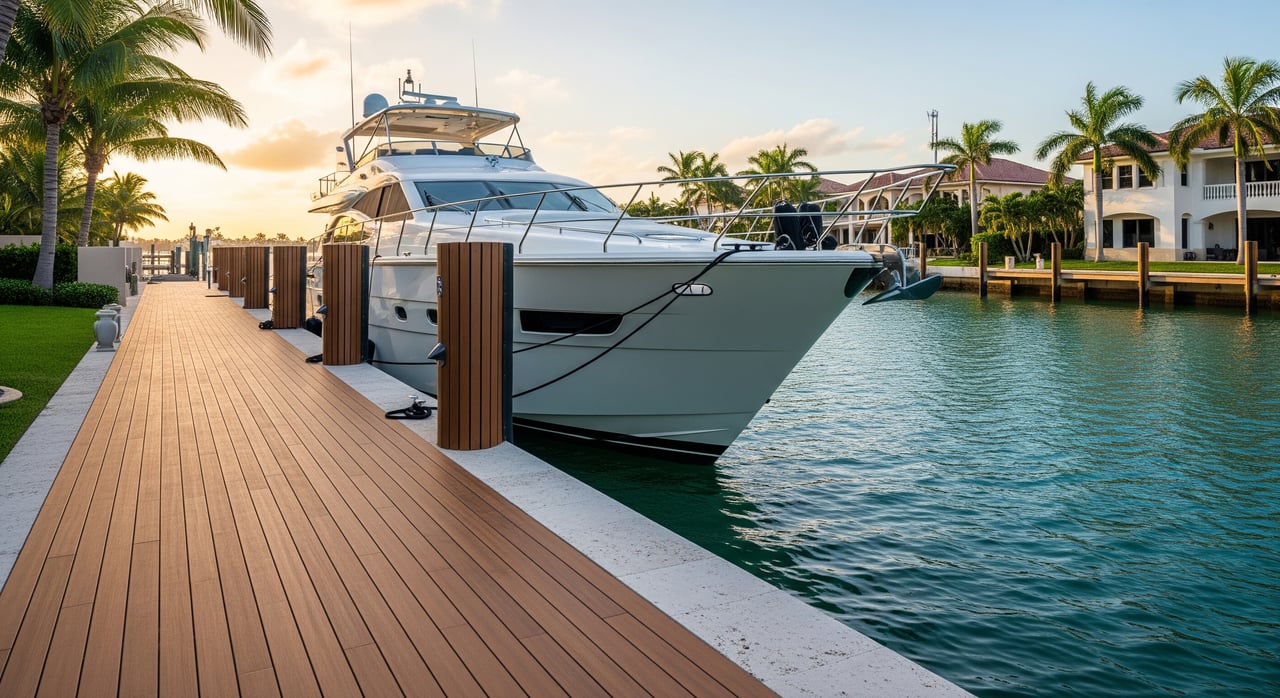
Fixed pile-supported docks are common for stable sites and larger vessels. They provide solid mooring but can be more exposed to storm surge, so foundation quality matters. Floating docks ride with the tide and can be useful where depth changes or soft substrates exist, though they may be less robust for heavy boats in extreme conditions.
Layout choices often include finger piers or T and L configurations to create slips while preserving maneuvering room. Many owners add boat lifts to reduce hull fouling and storm risk. Covered boathouses or full enclosures may face restrictions under local and state rules, so plan on verifying what is allowed for your specific lot.
What to inspect on a dock
- Ownership and easements: Confirm the dock is private, included in the sale, and free of shared-use obligations.
- Structure: Look for rot, marine borer damage, corrosion, and signs of movement or sagging; ask for a marine surveyor or diver inspection for below-water pilings and hardware.
- Lifts and systems: Verify lift capacity, age, service records, and manufacturer rating plates. Check electrical service for GFCI protection, shore power amperage, water shutoffs, and any fuel systems.
- Records: Request permits, as-built drawings, and inspection documentation. A clean paper trail reduces risk and simplifies future upgrades.
Seawalls: what to know
Common shoreline solutions include concrete bulkheads, precast or sheet-pile systems, and riprap revetments. Key signs to assess are leaning, cracks, separation at joints, sinkholes behind the wall, and missing toe protection that can invite scour. Ask how the seawall ties into neighboring walls and whether mismatched elevations could increase erosion. Expect long-term maintenance and eventual major repairs or replacement over the property’s life.
Permits and environmental rules
Waterfront work often requires review from Collier County and the Florida Department of Environmental Protection, especially near the Coastal Construction Control Line. Projects in or over navigable waters may trigger U.S. Army Corps of Engineers jurisdiction. Work near mangroves, seagrass, manatees, or turtle habitat can be seasonally restricted or require mitigation. Before planning a new dock, lift, or seawall fix, confirm permits, timing windows, and any lighting or speed-zone rules that apply.
Gulf access and navigation
Typical route to the Gulf
From most Port Royal addresses, you reach the Gulf through Naples Bay, with Gordon Pass as the primary outlet. Lots closer to the pass reduce transit time. Canal-front properties may require a longer run through marked channels to reach open water. Always review the exact route for your vessel size and plan for local speed zones.
Depth, tides, and draft
Depth at mean low water is the key metric for access. Request recent soundings or a hydrographic report for the dock area and the route to the nearest federal channel. Shoaling can change conditions, and dredging schedules matter if you run a deeper draft boat. Confirm compatibility for sailboats or larger yachts before you buy.
Speed zones and safety
Expect speed and no-wake designations that protect shorelines and manatee areas. Lighting near beaches and open Gulf frontage may be subject to turtle-friendly standards. Following posted aids to navigation and local ordinances keeps you compliant and protects your boat and neighbors.
Dredging and sedimentation
Some canals depend on periodic dredging. Ask when dredging last occurred, who manages it, and whether assessments or owner contributions apply. If a private canal or association oversees maintenance, confirm budgets and responsibilities in writing. Knowing the long-term plan ensures your access stays reliable.
Insurance, storms, maintenance
Most waterfront homes fall within FEMA flood zones. Request elevation certificates and review flood and wind coverage options across NFIP and private markets. Ask about storm loss history, surge exposure, and mitigation features like breakaway components or extra pilings at the dock. Build a routine maintenance plan that includes hardware checks, lift servicing, and periodic seawall inspections by a coastal or structural engineer.
Buyer due diligence checklist
- Ownership and legal status: Is the dock private and included? Any shared-use or recorded easements? Any canal or association obligations for maintenance or dredging?
- Permits and history: Obtain permits, as-builts, engineering reports, inspection records, and dates of major repairs or replacements for dock and seawall.
- Structural condition: Secure recent inspection reports; consider a marine surveyor or diver for underwater elements. Confirm lift capacity and service logs.
- Navigation and access: Get charted depth at the dock and along the route to the nearest federal channel at mean low water. Confirm shoaling history, last dredge date, and typical transit time to Gordon Pass.
- Regulations and environment: Identify any restrictions on docks, lighting, boathouses, or construction timing due to protected habitats or species.
- Insurance and hazards: Verify flood zone, elevation certificates, and storm loss history. Ask about any ongoing claims or coverage changes.
Your waterfront advisory team
- Marine surveyor or diver for pilings, fasteners, and below-water inspections.
- Coastal or structural engineer for seawall condition and dock structure review.
- Licensed dock contractor and certified lift technician for scope, costs, and lifecycle advice.
- Permit expediter or coastal attorney to navigate Collier County, state, and federal approvals.
- Flood insurance specialist or local agent who understands waterfront underwriting.
- Local marina or harbormaster for current channel conditions, fueling, and haul-out options.
Ready to match the right dock and waterway to the way you boat? With the right verification, Port Royal can deliver the seamless, on-the-water lifestyle you want, from morning bay cruises to Gulf-side sunsets. For property-specific guidance and introductions to trusted local pros, connect with the Kaleena Figaro Group.
FAQs
What should I know about Port Royal dock permits?
- Most dock, lift, or seawall projects require Collier County and Florida DEP approvals, and some in-water work may involve the U.S. Army Corps of Engineers.
How long is the run to the Gulf from Port Royal?
- Many homes access the Gulf via Naples Bay through Gordon Pass; actual transit time varies by lot location, vessel speed, and local speed zones.
How do I verify water depth for my boat?
- Request recent soundings or a hydrographic report for depths at mean low water at the dock and along the route to the nearest federal channel.
What are common seawall warning signs?
- Look for leaning, cracks, sinkholes behind the wall, separation at joints, or missing toe protection, and have a coastal engineer evaluate concerns.
Are covered lifts or boathouses allowed in Port Royal?
- Rules vary; many areas restrict fully enclosed boathouses or roof structures, so verify what is permitted for your specific parcel.
Do canals in Port Royal require dredging?
- Some do; ask about shoaling history, last dredging, responsible parties, and any assessments that may affect owners.