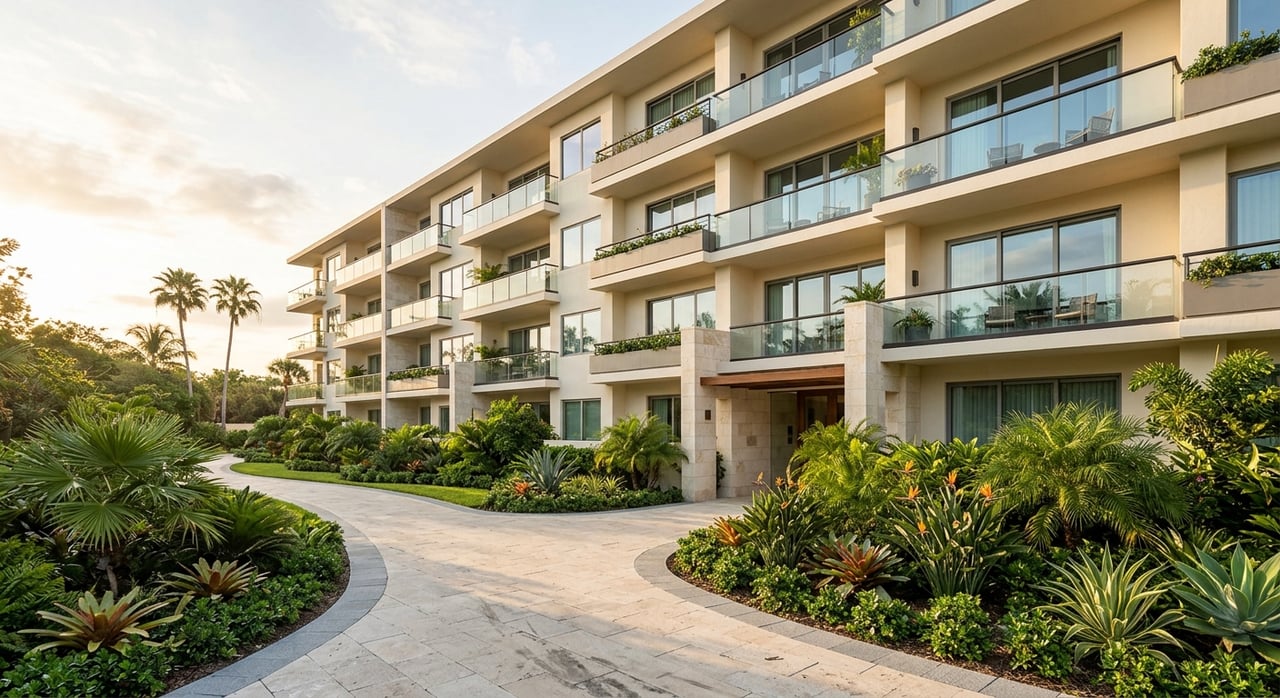
Thinking about buying an investment property in Vineyards Naples real estate? The name carries strong recognition in Naples, but for an investor, that can be misleading if you treat every property there the same way. In Vineyards, the details behind a specific address often matter more than the community name itself. This guide will show you what to evaluate, what can affect cash flow and resale, and why careful due diligence is essential before you buy. Let’s dive in.
Why Vineyards Needs a Closer Look
Vineyards is not a single, uniform neighborhood. According to the official community information, it includes 38 unique neighborhoods with a mix of villas, condos, coach homes, single-family homes, and luxury custom homes inside a master-planned, gated community setting. You can review the community structure on the official Vineyards community site.
For you as an investor, that means one property may perform very differently from another just a few streets away. The property type, sub-association rules, recurring fees, and amenity access can all change the numbers. In practical terms, Vineyards is better understood as a layered submarket, not a one-size-fits-all investment location.
Start With the Exact Neighborhood
One of the first things investors consider in Vineyards Naples real estate is which sub-association governs the property. The master community is made up of multiple neighborhoods, and each one may operate under both master association rules and neighborhood-specific documents.
The recorded master covenants show that the association can levy assessments and regulate areas like use, maintenance, appearance, transfer, and occupancy. The community also directs estoppel requests to the neighborhood sub-association, which is a strong sign that important ownership details are handled at the address level rather than only at the master level.
That matters because your underwriting should be specific to the property you are considering. You do not want to assume the same rental flexibility, fee structure, or transfer process applies throughout all of Vineyards.
Understand the Full Fee Stack
Fees are a major part of the investment picture in Vineyards. The community’s 2024 unaudited financials include recurring categories such as maintenance fees, reserve assessments, lake maintenance, and bulk TV or communications fees.
Those line items can directly affect your monthly carrying costs and your net operating performance. Even if a property looks attractive on purchase price alone, layered fees can materially change your projected return.
Before you move forward, make sure you identify:
- Master association fees
- Neighborhood HOA fees
- Reserve contributions
- Bulk-service charges
- Any amenity-related charges
- Any current or possible special assessments
This is especially important if you are comparing a condo, coach home, villa, or single-family home within Vineyards. Different product types can carry very different cost structures.
Review Leasing Rules by Address
If rental income is part of your strategy, leasing rules should be near the top of your checklist. The community’s gate access and patrol information confirms that owners who lease their property must notify the gatehouse, and it distinguishes between short-term lessees and long-term lessees over six months.
That does not mean every property has the same rental policy. Because Vineyards uses a layered governance structure, leasing restrictions should be verified for the exact property and neighborhood. The broader governance framework, including recorded documents, supports the idea that occupancy and use rules can be regulated at more than one level. You can see that framework in the recordation materials.
As you evaluate a property, confirm:
- The minimum lease term
- How often the property may be leased
- Whether seasonal leasing is allowed
- Whether annual leasing is allowed
- Whether there is a rental cap
- Whether tenant screening or approval is required
- Whether there are vehicle, parking, or pet restrictions
For investors, this is one of the most important parts of the process. A property with tighter leasing rules may still be a good fit, but only if it matches your intended hold strategy.
Do Not Assume Club Access Transfers
Another key issue investors consider in Vineyards Naples real estate is amenity access, especially golf and club privileges. The Vineyards Country Club membership information states that the club is private, non-equity, and separate from homeownership. It also notes that residents do not have to live in the community to be members.
For you, the takeaway is simple: do not assume club membership comes with the property unless the listing and supporting documents clearly say so. If your resale strategy depends on golf or lifestyle positioning, verify what actually transfers, what is optional, and what costs may apply separately.
This distinction can affect both your acquisition decision and your future marketing position when you sell. Buyers may value club access differently depending on whether it is included, available separately, or not part of the specific offering.
Look at Product Type and Exit Strategy
Because Vineyards includes multiple housing types, your exit strategy should match the exact product. A condo may appeal to a different buyer pool than a single-family home or luxury custom residence. That can influence liquidity, carrying costs, and how quickly a property may sell in a changing market.
The community’s official overview makes it clear that the mix is broad, from condos and coach homes to single-family and custom homes. That variety can create opportunity, but it also means you should compare like with like. A strong result in one segment does not automatically translate to another.
When you evaluate a property, think about:
- Who is the most likely future buyer
- Whether the fee structure supports that buyer’s expectations
- Whether the property’s lease rules help or limit demand
- Whether amenities are a true selling point for that address
- Whether the home’s format fits your holding period and risk tolerance
Consider the Broader 34119 and Collier County Backdrop
A property-specific review is critical, but investors also care about the surrounding market. Collier County offers several indicators that support ongoing residential demand. The U.S. Census Bureau QuickFacts for Collier County estimate the population at 416,233 as of July 2024, up 10.8% from the 2020 census base.
The same source reports that 34.3% of residents are age 65 or older, median household income is $86,173, the owner-occupied housing rate is 76.0%, and the median value of owner-occupied housing is $486,800. For investors, these figures point to a market shaped by owner-occupants, second-home buyers, and lifestyle-driven demand.
Additional context from Collier Economic Development Office demographics shows expected population growth of another 3% between 2023 and 2028, a median age of 51.5, regional employment of 186,394 in 2023, and 11.7% job growth from 2018 to 2023. It also notes that a little over 10% of employed residents work remotely.
Together, these indicators suggest a market with both lifestyle appeal and economic depth. That can support resale demand, especially for well-positioned properties in established communities.
Factor in Seasonal Demand and Access
Seasonality is another important piece of the investment conversation in Naples. A Collier County planning document projected a 2024 countywide peak-season population of 492,245. That is a meaningful jump from the full-time population base and helps explain why many buyers and investors pay close attention to seasonal demand patterns.
The research also notes that Collier County receives almost 2 million visitors a year, and Southwest Florida International Airport reported 11,154,458 passengers in 2025, its busiest year on record. For a community like Vineyards, strong visitor flow and convenient regional access can support interest from second-home owners and seasonal users.
That does not mean every property is equally suited for rental or seasonal ownership. It does mean the broader Naples and Collier County market has demand drivers that investors should include in the bigger picture.
Questions to Ask Before You Buy
If you are evaluating Vineyards Naples real estate as an investment, keep your due diligence focused and practical. These are some of the most important questions to answer before you go under contract:
- Which neighborhood association governs the exact property?
- What are the master and sub-association fees?
- Are reserve contributions or bulk-service fees required?
- Is there any current or planned special assessment?
- What is the exact lease term minimum?
- How many times per year can the property be leased?
- Is tenant approval or screening required?
- Are there restrictions on vehicles, parking, or pets?
- Does club membership transfer with the home, or is it separate?
- Are there upcoming capital projects that may affect dues or resale appeal?
These questions can help you avoid broad assumptions and focus on the real investment profile of the address.
The Bottom Line for Investors
The biggest thing investors consider in Vineyards Naples real estate is not just location. It is structure. Vineyards offers a well-known Naples address, a broad range of housing options, and access to a market supported by population growth, seasonal demand, and strong regional visibility. But the investment case depends heavily on the exact neighborhood, fee stack, lease rules, and amenity setup tied to the specific property.
That is why address-by-address underwriting matters here more than headline branding alone. If you want help evaluating Vineyards opportunities with a local, detail-driven approach, connect with the Kaleena Figaro Group for personalized guidance on Naples real estate.
FAQs
What should investors review first in Vineyards Naples real estate?
- Start with the exact neighborhood or sub-association, because Vineyards includes multiple neighborhoods with different property types, fees, and rules.
Are HOA fees the same across all Vineyards Naples properties?
- No. Vineyards has a layered structure, so costs can include master fees, neighborhood HOA fees, reserves, lake maintenance, and bulk-service charges depending on the property.
Can you rent out any property in Vineyards Naples?
- You should verify leasing rules for the exact address, including minimum lease term, rental frequency, tenant approval requirements, and other neighborhood-specific restrictions.
Does Vineyards Country Club membership come with every home purchase?
- No. The club is separate from homeownership, so you should confirm whether membership transfers or is available separately for the property you are considering.
Why do investors look at Collier County trends when buying in Vineyards Naples?
- Countywide data on population growth, income, owner occupancy, employment, and seasonal demand can provide useful context for resale potential and broader housing demand.